Caring for a pet involves much more than providing food and water. Pets need regular exercise, proper hygiene, nutritious meals, mental stimulation, veterinary care, and plenty of love and attention. A consistent daily routine can help pets stay healthy, active, comfortable, and happy.
A balanced diet is one of the most important parts of pet care. Dogs, cats, and other animals have different nutritional requirements, so their food should be appropriate for their species, age, size, and activity level. Fresh, clean water should always be available. Treats can be useful for training and rewarding good behavior, but they should be given in moderation. Owners should also avoid feeding pets foods that can be harmful to them, such as chocolate, onions, grapes, and certain artificial sweeteners.
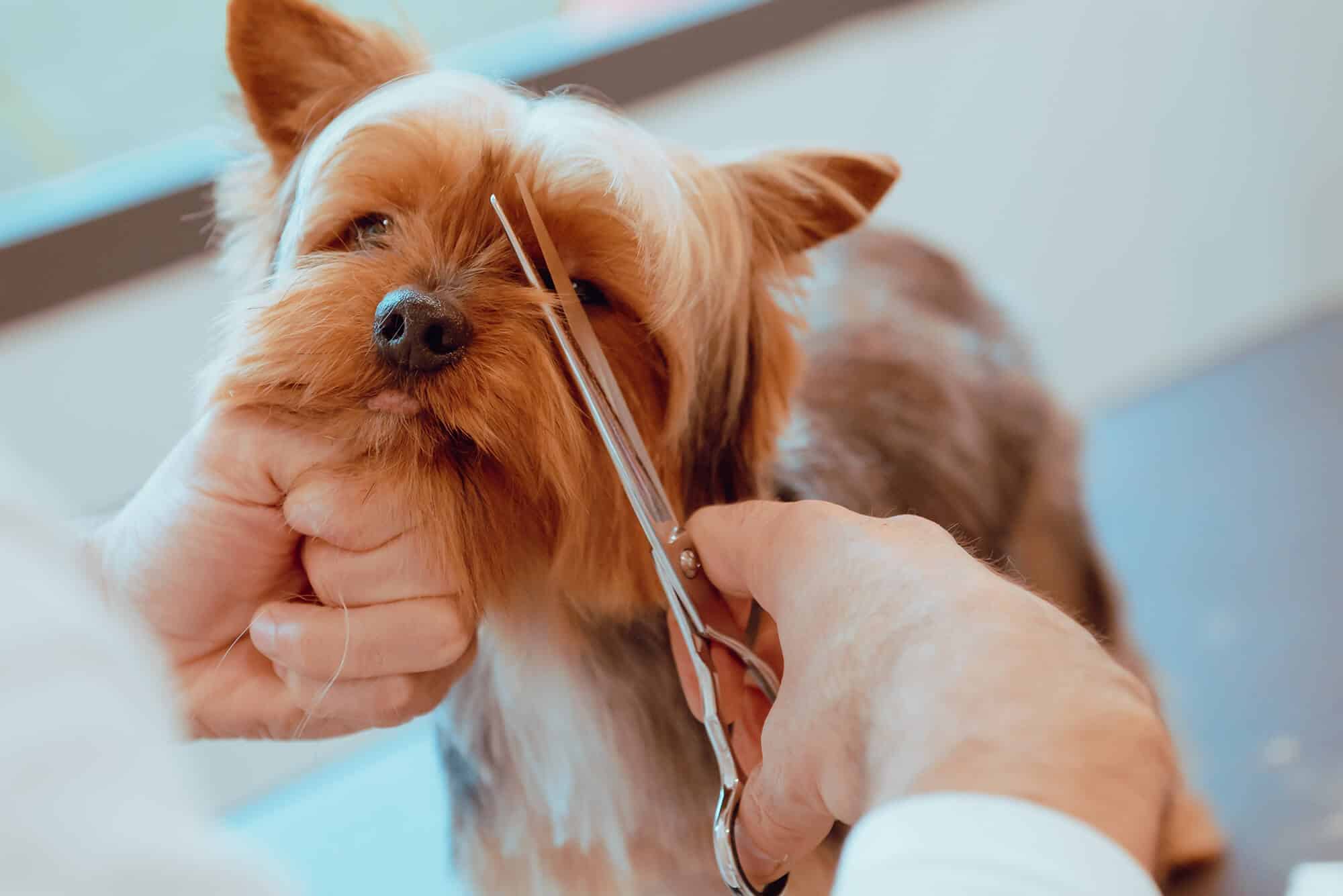
Good hygiene helps prevent skin problems, infections, unpleasant odors, and discomfort. Regular brushing removes loose hair, dirt, and tangles while keeping the coat healthy. Pets with long or thick fur may require more frequent grooming.
Bathing should be done when necessary using products specifically designed for pets. Human shampoos can irritate an animal’s skin because their skin has a different pH balance. Nails should also be trimmed regularly to prevent them from becoming overgrown or causing difficulty when walking.
Dental hygiene is another important area that is sometimes overlooked. Regular tooth brushing with pet-safe toothpaste can help reduce plaque and maintain healthy gums. Veterinary dental checkups may also be recommended.
Exercise is essential for maintaining a healthy weight, strong muscles, good circulation, and overall fitness. Dogs can benefit from daily walks, running, hiking, swimming, playing fetch, or visiting safe dog parks. The amount and intensity of exercise should depend on the pet’s age, breed, health, and energy level.
Cats also need regular physical activity. Interactive toys, climbing structures, scratching posts, tunnels, and short play sessions can help keep them active. Simple games involving toys that encourage chasing or jumping can provide both physical exercise and mental stimulation.
For smaller pets, exercise can include supervised time outside their enclosure, appropriate toys, tunnels, wheels, or other species-specific activities. Safety should always come first.
Physical exercise is only one part of keeping a pet healthy. Animals also need opportunities to think, explore, and learn. Puzzle feeders, training exercises, scent games, new toys, and interactive play can prevent boredom.
Teaching a dog basic commands such as “sit,” “stay,” and “come” provides mental stimulation while strengthening communication between the pet and owner. Cats can also learn simple behaviors through positive reinforcement.
Regular veterinary visits help identify potential health problems before they become serious. Pets may need vaccinations, parasite prevention, dental care, routine examinations, and other preventive treatments. Owners should pay attention to changes in appetite, behavior, energy, weight, bathroom habits, or appearance, as these can sometimes indicate illness.
Pets need a clean, secure place to sleep and relax. Their bedding, cages, litter boxes, food bowls, and living areas should be cleaned regularly. Homes should also be checked for hazards such as toxic plants, exposed electrical cords, small objects that could be swallowed, and unsafe chemicals.
Outdoor activities should take place in secure areas. Dogs should generally be supervised or appropriately restrained, while cats and other animals should have safe ways to explore without being exposed to unnecessary dangers.
Pets are social animals and often benefit from positive interaction with people and, when appropriate, other animals. Spending time playing, grooming, training, or simply relaxing together can strengthen the bond between pets and their owners.
Ultimately, responsible pet care is about creating a balanced lifestyle. Good nutrition, regular hygiene, exercise, mental stimulation, preventive healthcare, safety, and affection all work together to support a pet’s physical and emotional well-being. By making these activities part of a consistent routine, owners can help their pets enjoy healthier, happier, and more active lives.
Grooming and hygiene are far more than just aesthetic considerations for our pets; they are fundamental pillars of
Traveling with your cat or dog can be a wonderful experience when you plan ahead. A little preparation
For our domesticated companions, the transition from wild environments to the modern household has brought safety and stability,